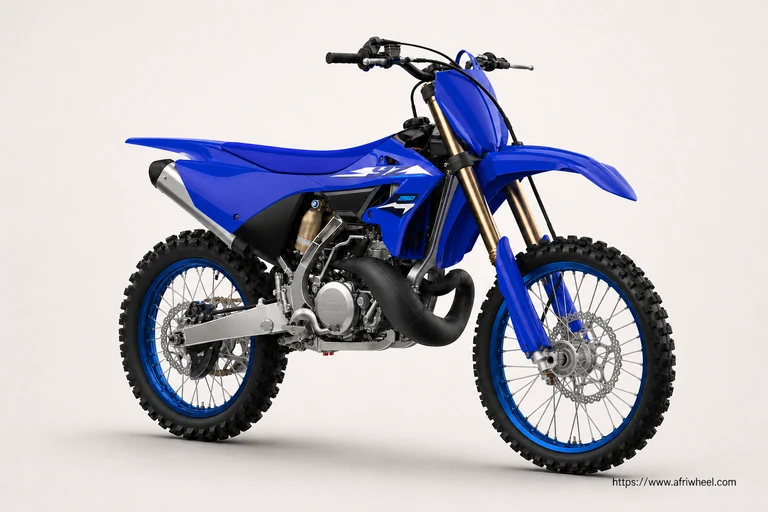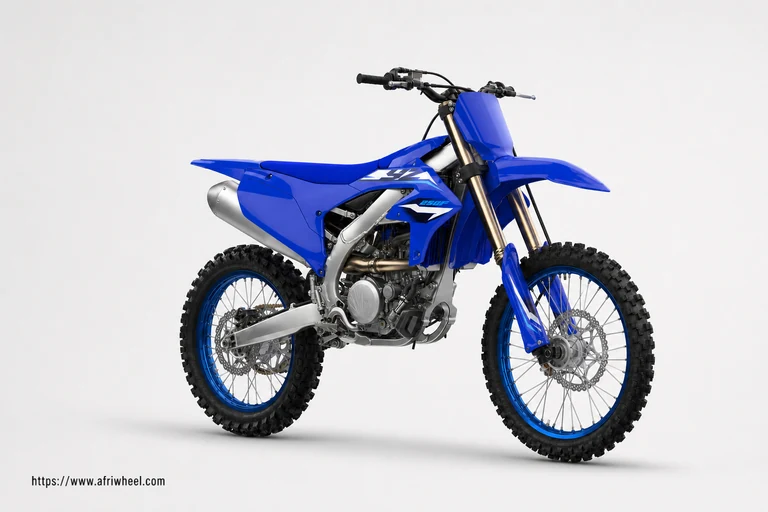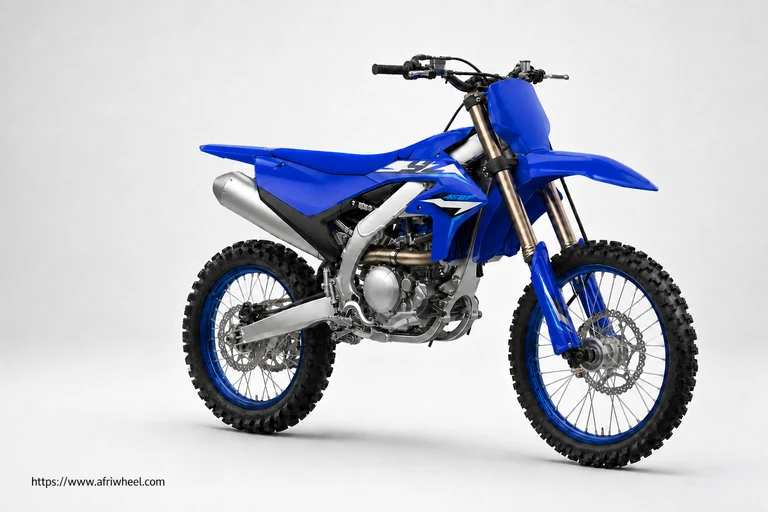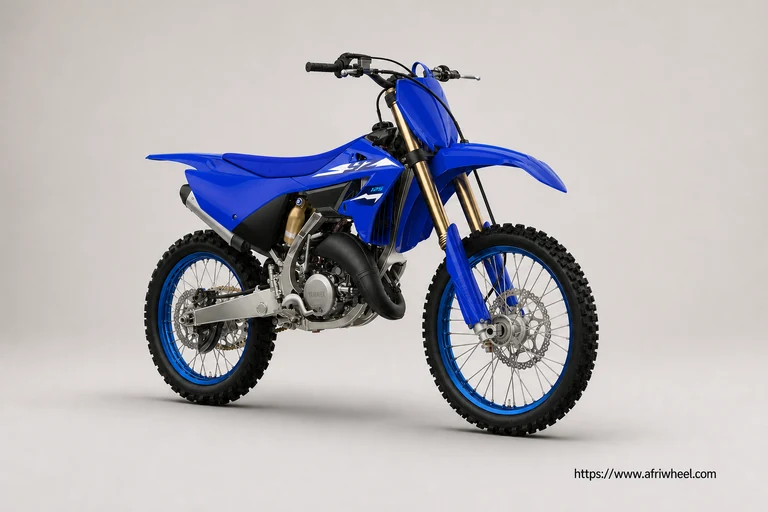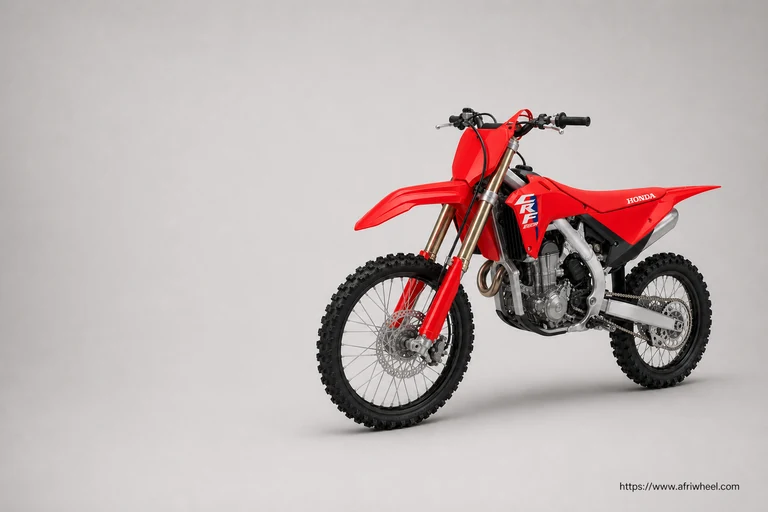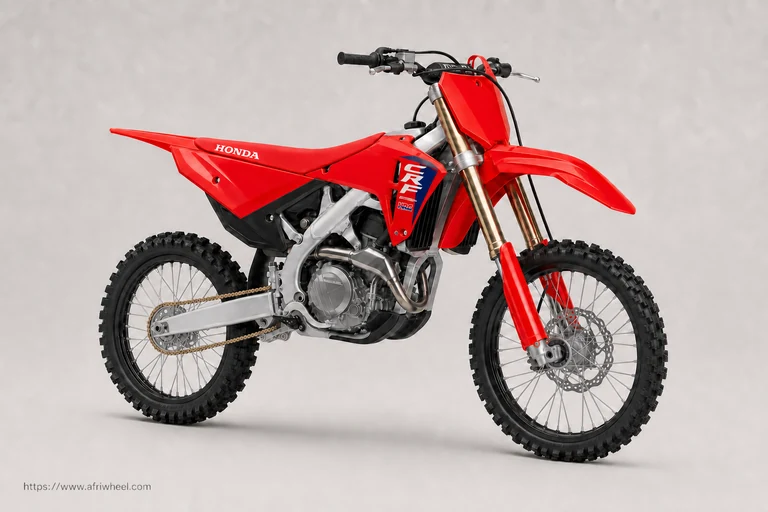
RFN SX E500 buyer overview
For a buyer researching RFN SX E500, the useful starting point is the job it is meant to do: a focused trail product for controlled riding areas. The current South African listing records R14,999. A sound choice depends on fit, surface, load, energy or fuel planning and support for this exact product.
This battery-electric off-road machine uses a Lithium-ion pack and 0.5 kW rated motor. The table quotes 18 km range and 60 km/h maximum speed, while 84.0 Nm helps explain low-speed response. Treat the figures as a route plan, not a promise.
Drive is electric, with Electric drive and Chain final drive. The charge window is 240 minutes to 80 percent or 360 minutes to full. Inspect the charger, plan recovery time and leave reserve rather than schedule every trip to the maximum.
Its recorded envelope is 1900 mm long, 1100 mm wide and 1120 mm high, with a 1320 mm wheelbase. The seat is 490 mm high, clearance is 150 mm and mass is 260 kg. These figures guide parking, loading, mounting and transport; they do not replace a fit check.
The road or work feel is shaped by 17-inch front and 17-inch rear wheels, 90/90-17/110/80-17 tyres and disc/drum braking. Before delivery, check markings, pressures, wheel condition, lever travel and lighting.
The practical limit is the listed 2-person seating and 300 kg maximum payload where supplied. Compare those figures with riders, tools, cargo, racks and accessories together. A tray or passenger seat is not permission to exceed the boundary.
The Lithium-ion battery changes the ownership rhythm. Big Boy quotes 18 km claimed range, 240 minutes to 80 percent and 360 minutes to full. Confirm charger storage, socket requirements, safe charging, battery terms and the reserve needed.
Compare this listing with products that share the same job, not merely the same price. A scooter needs parking and traffic practicality; a cargo unit needs load restraint and duty discipline; an off-road model needs transport and terrain access.
Ask for the exact model on the quotation, current price, equipment, colour, delivery timing, warranty, service intervals and registration documents. Electric buyers should add charger, battery chemistry, charge time and range basis.
For this record, the useful comparison line is a claimed range of 18 km. The product carries the recorded 2-person seating description and 300 kg payload value where supplied. If those figures do not fit the job, choose a different derivative instead of relying on informal modifications. Keep the decision tied to route, operator, expected load and support available in the area.
The recorded South African listing for RFN SX E500 is priced at R14,999. Its moto-x role, 2-person seating and 300 kg payload value should be read with the exact dimensions and operating limits shown above.
The catalogue position is clearer when the buyer starts with the job rather than the badge. Think about the first and last trip of a normal week, the surface between them, who will ride or operate the machine, and what must be carried. That short description exposes whether this product’s size, control layout and powertrain are sensible. It also gives the dealer a useful brief for demonstrating the exact stock unit and quoting the right support package.
Use the model page as a focused conversation starter. Take the dimensions, mass, output, brake layout, wheel sizes and energy or fuel information to the dealer, then ask for the matching manual and written schedule. Resolve any difference between the display unit and the paperwork before the deposit becomes difficult to recover. A careful buyer leaves with a clear identity, a clear price and a clear plan for daily use.
Rider fit deserves a physical check. Mount the vehicle, reach both controls, turn the steering from lock to lock and hold it at walking pace. Note whether the seat height, mass and wheelbase feel manageable for the person who will use it every day. If the product is for work, repeat the check with the usual load secured correctly. A specification table prepares the questions; it cannot replace this short demonstration.
South African ownership begins after the transaction. Before paying, ask who performs the first inspection, where routine work is done, which wear items are stocked and how a warranty claim is opened. Keep the exact model and variant name on the quotation, along with colour, equipment, price, delivery terms and any registration paperwork. This prevents a family label from being substituted for the particular machine that was discussed.
Practical storage is part of the choice. Measure the doorway, parking bay, ramp or cargo area before signing, and allow room to turn the machine around. Check where a helmet, tools, charger, cables or loads will live, and how they will be secured. A model can have the right output and still be awkward in the place where it must be parked, charged, loaded or serviced.
Every range claim or fuel figure needs context. Traffic, road speed, wind, hills, payload, tyre pressure, battery temperature and maintenance all influence the distance achieved. Use the listed value to compare the model with a close alternative, then build a route reserve rather than planning to the last kilometre or litre. A realistic weekly plan is more useful than repeating a best-case number from a product page.