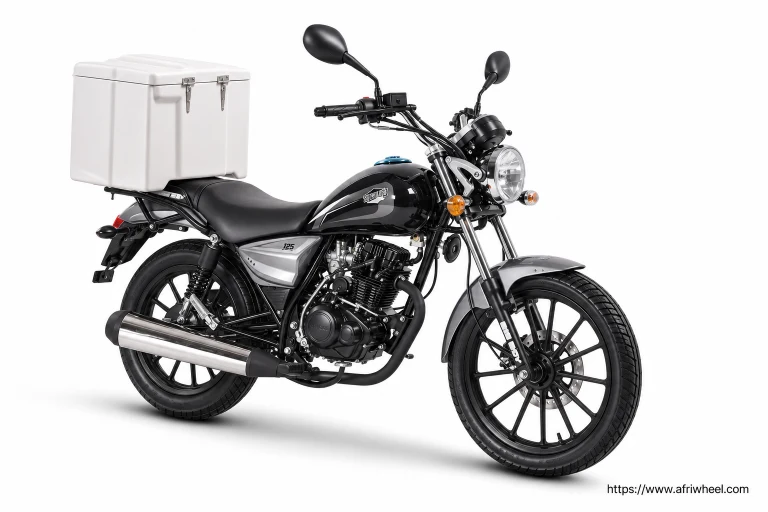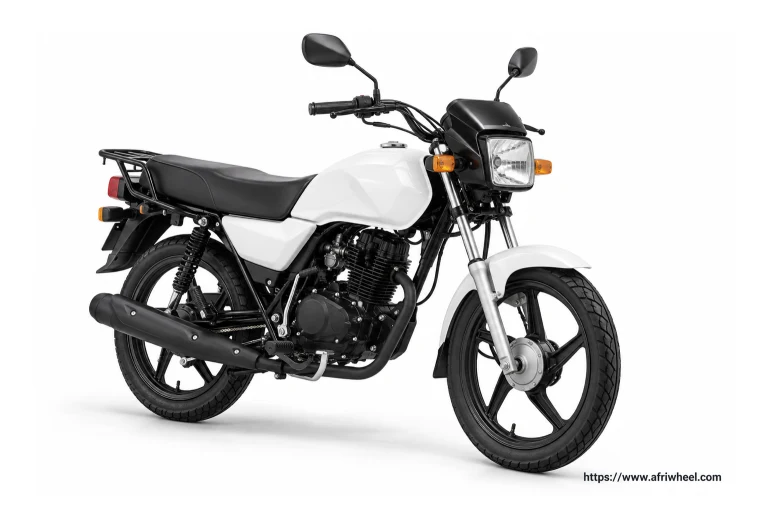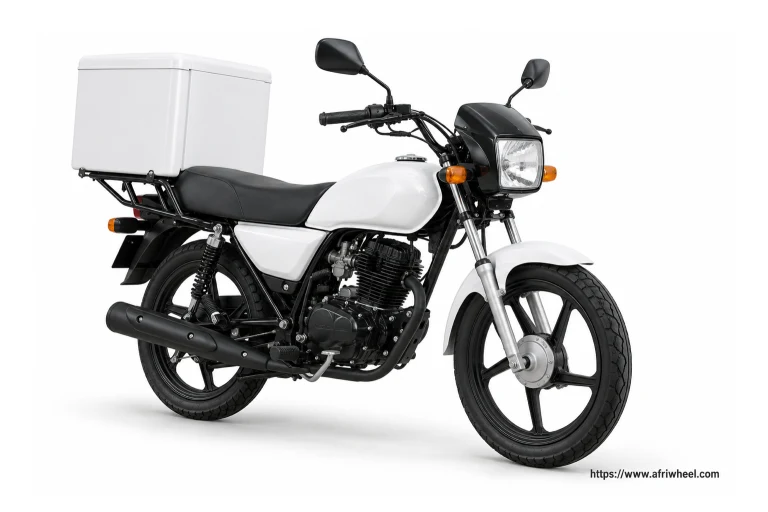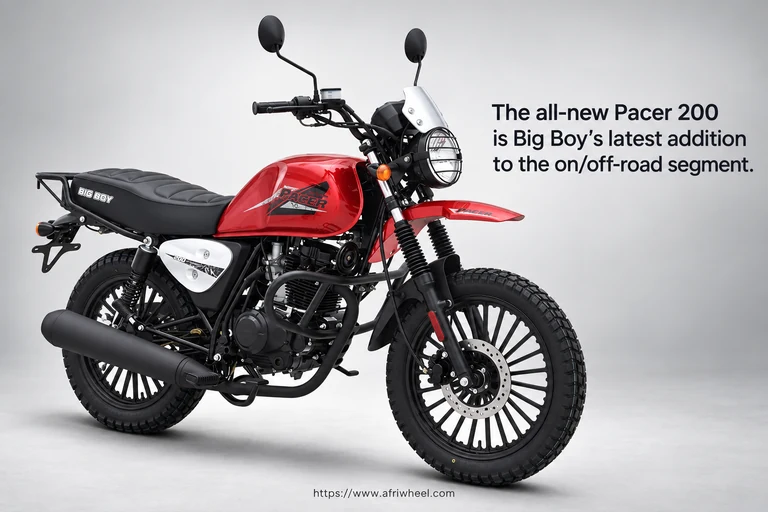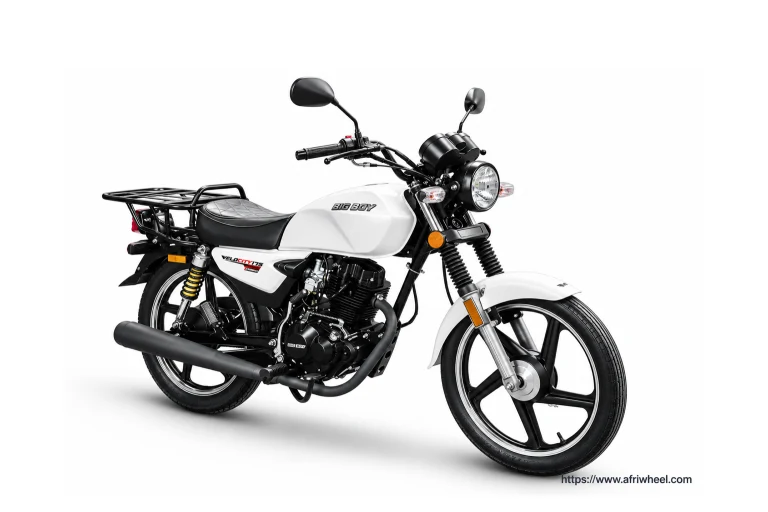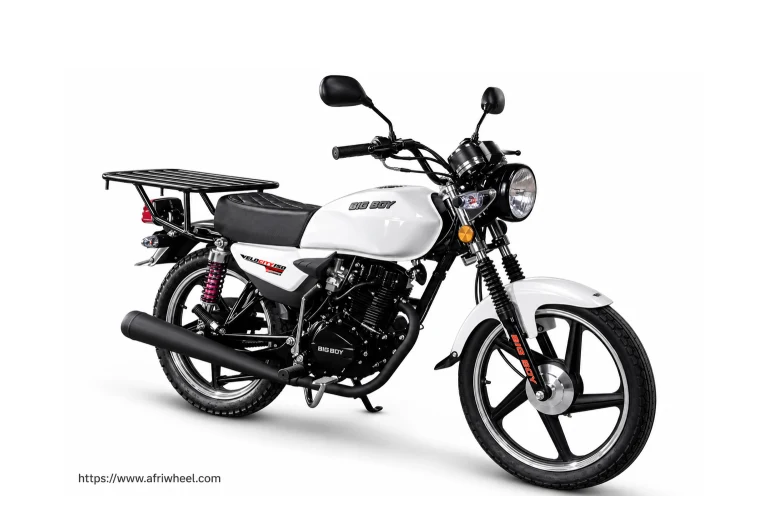
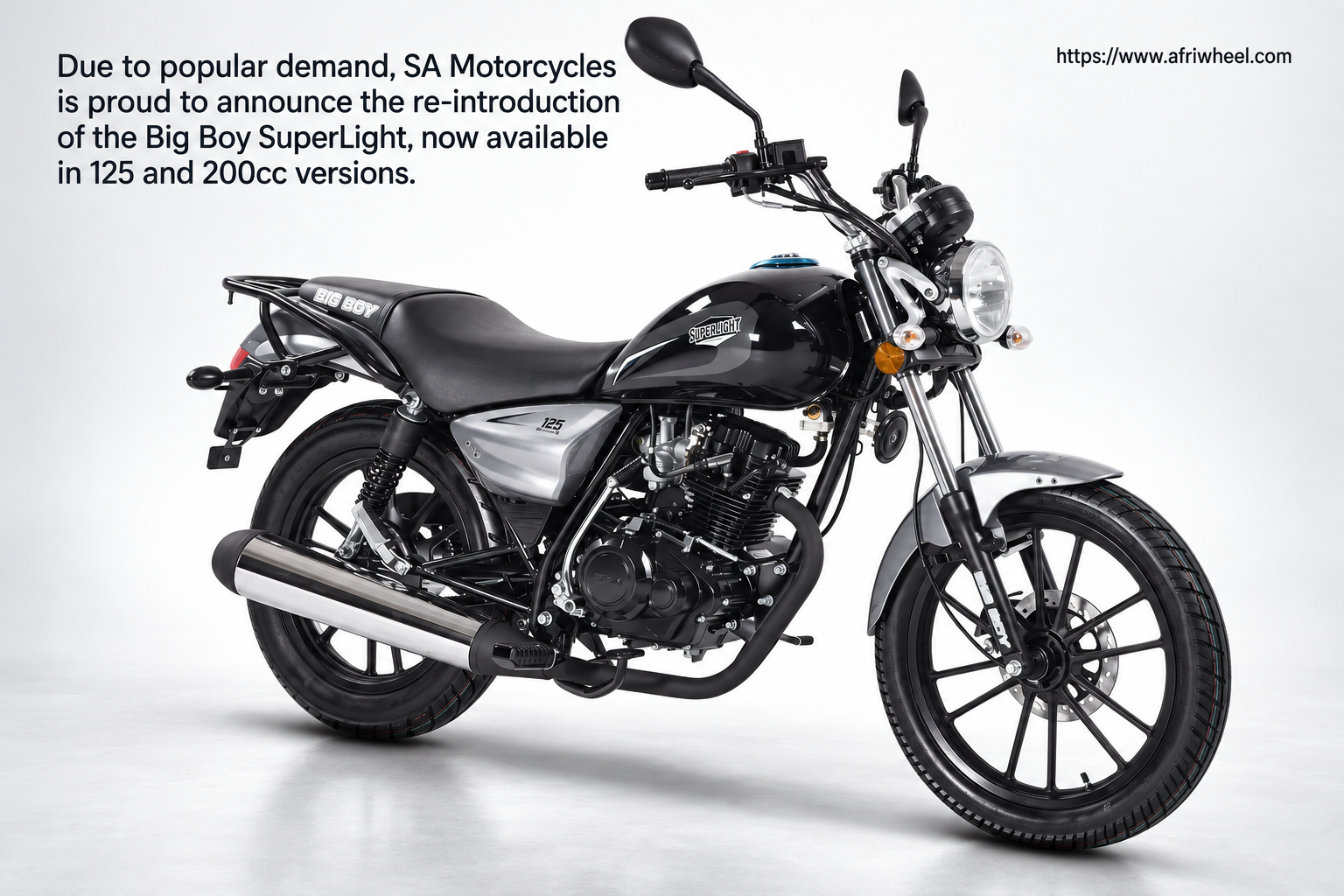
SuperLight 125 — current South African listing buyer overview
On the local listing, SuperLight 125 — current South African listing identifies the specific SuperLight 125 record. The recorded amount is R20,999. That matters where a range contains cargo, commercial, electric or similarly named products with different loads, batteries, wheels or controls.
Power comes from a 125 cc petrol unit, with 7.9 kW and 9.5 Nm published. Read those figures alongside the tank, gearing, seat and brakes because a useful purchase is a system that fits the job.
Control comes through 5-speed manual and 5 listed ratios, driving the Chain final drive. A handover should cover clutch effort, steering lock, throttle response and loaded behaviour as well as the headline specification.
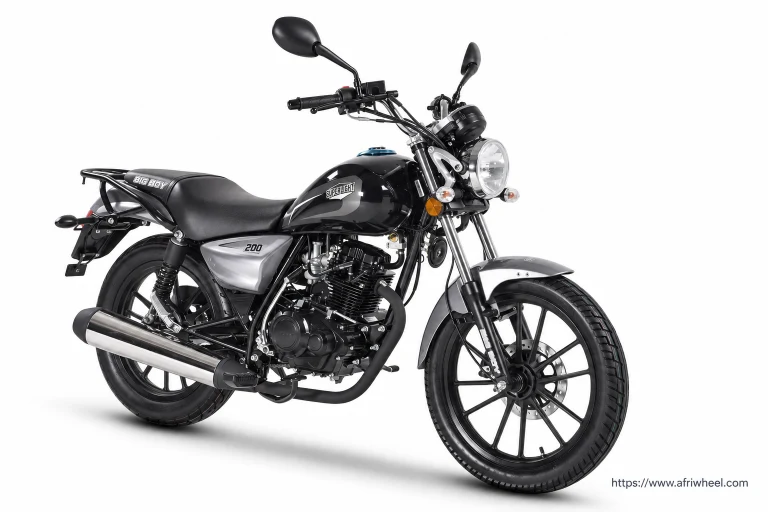
Its recorded envelope is 2050 mm long, 800 mm wide and 1100 mm high, with a 1295 mm wheelbase. The seat is 800 mm high, clearance is 180 mm and mass is 132.5 kg. These figures guide parking, loading, mounting and transport; they do not replace a fit check.
The record gives 17-inch and 17-inch wheels, 90/90-17 front rubber and 110/80-17 rear rubber, with Disc front and Disc rear brakes. Those details describe the equipment; a demonstration shows how it turns and stops on the buyer’s surface.
Payload and seating make the role concrete: 2 occupant(s) and 170 kg maximum payload in the supplied record. Those are limits to respect. Confirm where cargo sits, how it is secured and how repeated duty affects tyres, brakes and service.
The ownership calculation uses 2.49 L/100 km and a 10-litre tank, but do not turn those numbers into a guaranteed trip distance. Keep a reserve, check pressure and use the written service schedule.
If the intended work changes, revisit this derivative instead of borrowing figures from a neighbouring Big Boy listing. SuperLight 125 — current South African listing has its own price and equipment context, and the written quote should preserve that identity.
Before accepting SuperLight 125 — current South African listing, match model name, propulsion, colour, price, equipment and warranty to the signed order. Check controls, tyres, brakes, lighting and any load area. For an electric unit test the charger; for a petrol unit check fuel and oil instructions.
For this record, the useful comparison line is 2.49 L/100 km and a 10-litre tank. The product carries the recorded 2-person seating description and 170 kg payload value where supplied. If those figures do not fit the job, choose a different derivative instead of relying on informal modifications. Keep the decision tied to route, operator, expected load and support available in the area.
This exact SuperLight 125 — current South African listing record is priced at R20,999. Keep its model name, powertrain, seating, payload, range or fuel figure and equipment together when comparing it with another Big Boy listing.
A variant’s value is connected to its duty cycle. A work-focused configuration may justify a larger payload or a different body, while a commuter configuration may be easier to park and cheaper to run. State the daily job, distance, rider count and storage arrangement before choosing. If the configuration does not support that brief, changing to the correct derivative is safer than adapting it informally.
Ask the dealer to explain how the exact variant is supported after delivery. Confirm service location, first inspection, consumables, battery or charger coverage where relevant, warranty exclusions and the route for obtaining parts. Keep those answers with the written quotation. The product is ready to buy when the paperwork, displayed equipment and operator’s understanding all describe the same derivative.
Service planning is part of variant selection. Note the first inspection, recurring interval, oil or filter requirements, chain or drive checks, tyre pressures and battery care instructions. Ask which tasks are time-based and which are distance-based. A variant that fits the route but cannot be supported at the required intervals will create avoidable downtime.
Weight and load should be treated together. The listed mass describes the vehicle, while payload covers people, cargo, accessories and any additions. Keep those figures within the stated boundary and position heavy items securely. An operator who plans around the advertised maximum every day should ask about the route, braking, tyres, suspension and service effects before deciding that the variant is suitable.
Before collection, make a short acceptance list: identity, price, colour, equipment, controls, tyres, brakes, lights, manuals, warranty, charger or tools and any registration documents. Walk through it with the dealer and record exceptions on the handover. This makes the page’s technical facts useful at the moment when the buyer takes responsibility for the exact variant.
When this derivative is compared with a nearby listing, hold the two specifications side by side. Check the powertrain, wheel and tyre combination, brake hardware, seating, payload, charger or fuel system and price. Do not borrow a figure from a sibling model simply because the names look similar. The purpose of a variant page is to make the actual buying decision precise enough for a written offer and a correct handover.