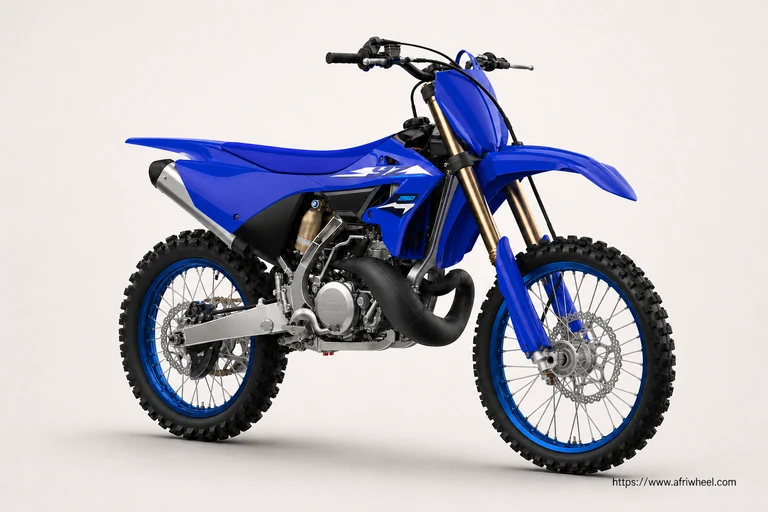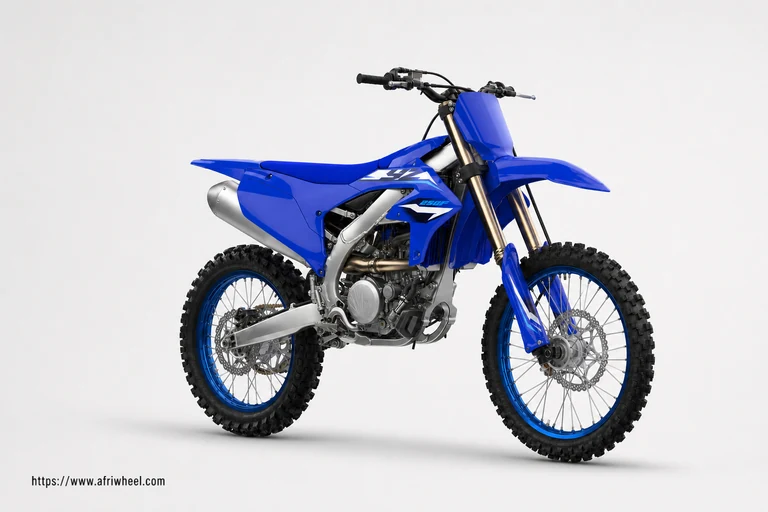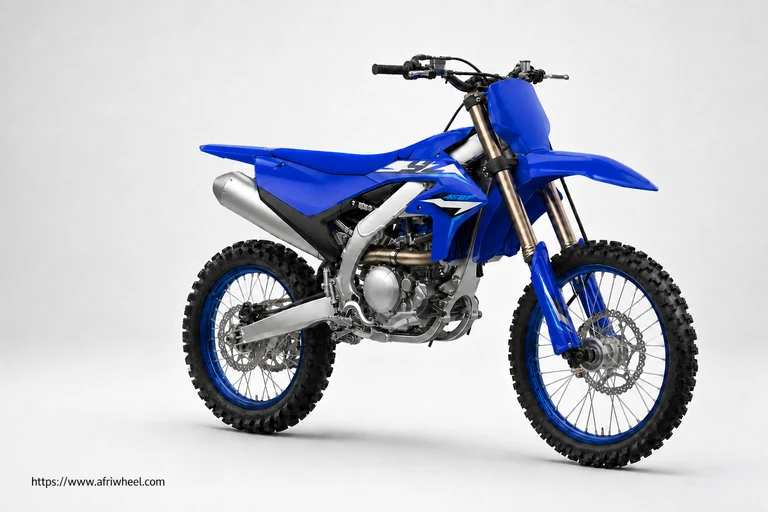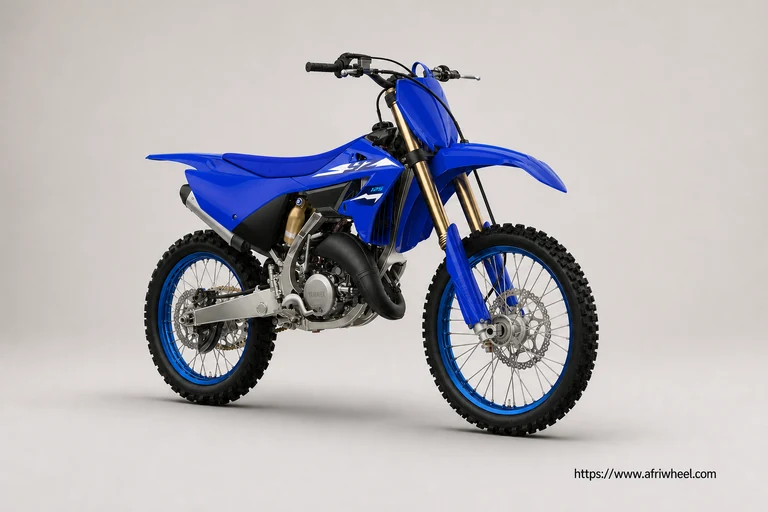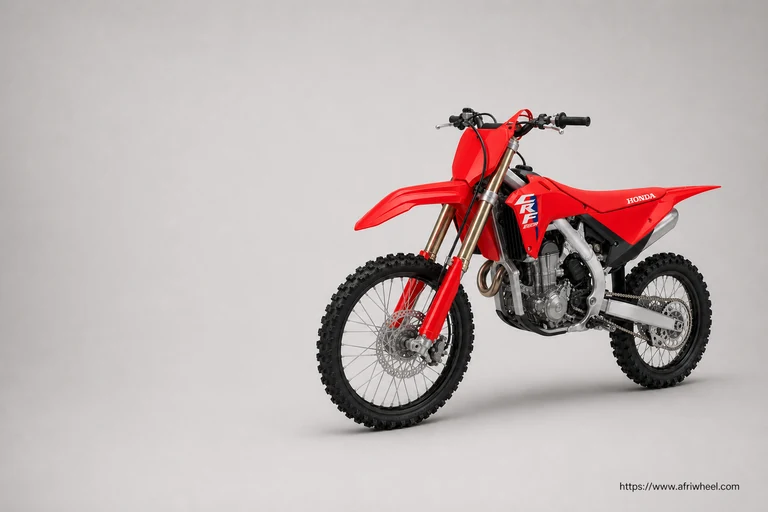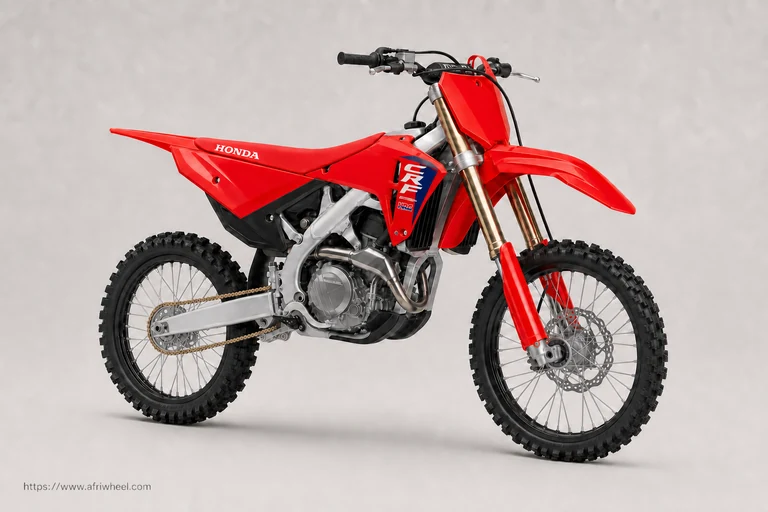
RFZ125S — current South African listing buyer overview
RFZ125S — current South African listing is the derivative a buyer should put on the quotation when comparing RFZ125S. Big Boy lists it at R17,999 in South Africa. Its appeal depends on whether the delivered equipment and operating limits fit the planned route or job.
The petrol unit is 125 cc, with 10.62 kW and 8.6 Nm in the supplied record. Those numbers locate the model in the local range, but they do not guarantee a particular speed because gearing, rider mass, wind, gradient and load change the result.
The stated drivetrain uses Manual with 5 gears and Chain. Pay attention to gear selection, drive response, brake feel, steering effort and the space required to turn around safely.
The physical package is 1 by 860 by 800 mm, with 1260 mm between the axles. The 800 mm seat and 132.5 kg listed mass help decide who can manage it, while 180 mm ground clearance should be compared with the actual route or loading area.
The road or work feel is shaped by 70-inch front and 90-inch rear wheels, 70/100/19/90/100/16 tyres and Disc/Disc braking. Before delivery, check markings, pressures, wheel condition, lever travel and lighting.
The practical limit is the listed 2-person seating and 170 kg maximum payload where supplied. Compare those figures with riders, tools, cargo, racks and accessories together. A tray or passenger seat is not permission to exceed the boundary.
The ownership calculation uses 2.49 L/100 km and a 3.2-litre tank, but do not turn those numbers into a guaranteed trip distance. Keep a reserve, check pressure and use the written service schedule.
As the exact RFZ125S derivative, RFZ125S — current South African listing should be compared by equipment and duty cycle rather than nameplate alone. Confirm what is included, whether the displayed body or battery configuration matches the stock unit, and how the dealer supports this reference.
Use this variant page to prepare exact questions: what is included, how is it serviced, which loads or passengers are allowed, and where can it be supported? Confirm each answer against RFZ125S — current South African listing before taking delivery.
For this record, the useful comparison line is 2.49 L/100 km and a 3.2-litre tank. The product carries the recorded 2-person seating description and 170 kg payload value where supplied. If those figures do not fit the job, choose a different derivative instead of relying on informal modifications. Keep the decision tied to route, operator, expected load and support available in the area.
This exact RFZ125S — current South African listing record is priced at R17,999. Keep its model name, powertrain, seating, payload, range or fuel figure and equipment together when comparing it with another Big Boy listing.
Use this derivative as the reference point for future comparisons. Record the exact name, model year, price, colour, equipment and date, then compare competing products on the same basis. This avoids using a lower family price to judge a more equipped version or assuming that a different battery type, commercial body or wheel package will deliver the same result.
Ask the dealer to explain how the exact variant is supported after delivery. Confirm service location, first inspection, consumables, battery or charger coverage where relevant, warranty exclusions and the route for obtaining parts. Keep those answers with the written quotation. The product is ready to buy when the paperwork, displayed equipment and operator’s understanding all describe the same derivative.
Service planning is part of variant selection. Note the first inspection, recurring interval, oil or filter requirements, chain or drive checks, tyre pressures and battery care instructions. Ask which tasks are time-based and which are distance-based. A variant that fits the route but cannot be supported at the required intervals will create avoidable downtime.
The best test is representative. Ride or operate the exact variant at the speeds, surfaces and load conditions that matter, within the permitted limits. Try the turning space, braking effort, control reach, access height and parking routine. If it is electric, connect the supplied charger; if it is a cargo or utility product, inspect how the load is restrained. This is where a family description becomes a practical choice.
The derivative label is important because a single family can contain different batteries, bodies, load arrangements or commercial equipment. Keep this exact variant name on the quotation and match it to the machine on the floor. Ask the salesperson to list what is standard, what is optional and what is shown only for illustration. A small change in configuration can alter the useful range, carrying limit, service routine or delivery expectation.
A variant’s value is connected to its duty cycle. A work-focused configuration may justify a larger payload or a different body, while a commuter configuration may be easier to park and cheaper to run. State the daily job, distance, rider count and storage arrangement before choosing. If the configuration does not support that brief, changing to the correct derivative is safer than adapting it informally.