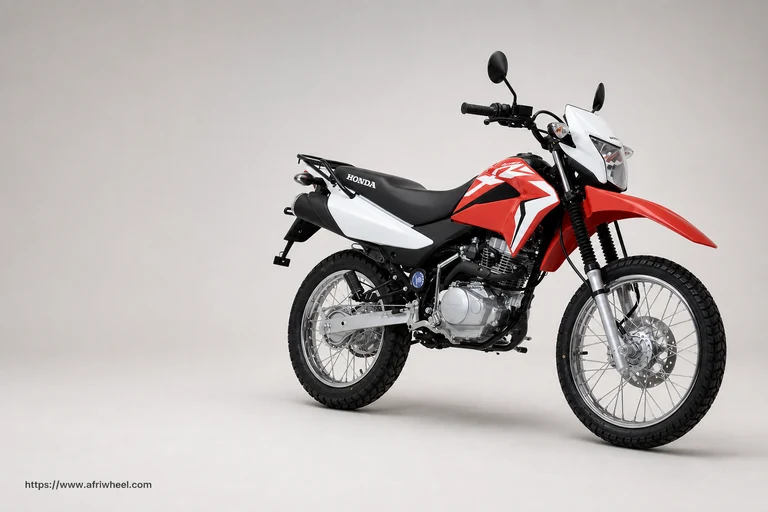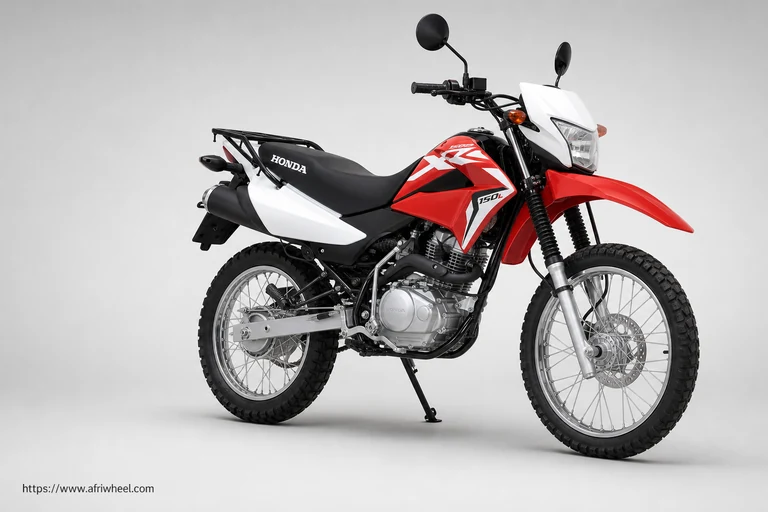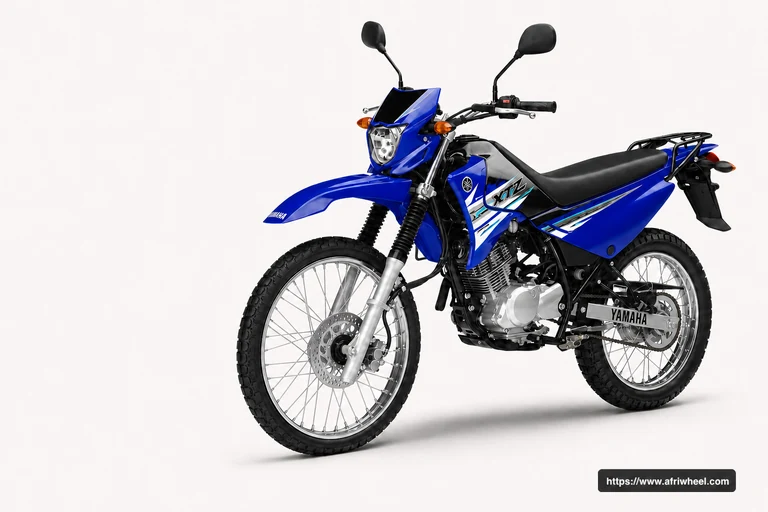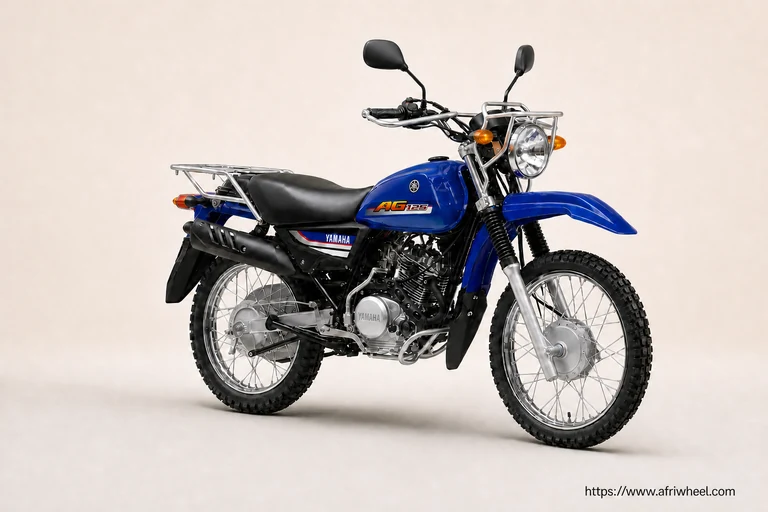
TSR 125 Commercial — current South African listing buyer overview
This variant page covers TSR 125 Commercial — current South African listing. It combines the TSR 125 Commercial identity with the supplied South African price of R26,999 and the exact technical values below. Test this derivative for its stated role, then confirm the written terms before payment.
Big Boy lists a 125 cc petrol engine producing 9.6 kW and 9.5 Nm. Use that output to compare like-for-like products, then judge throttle response, clutch take-up, low-speed balance and braking on the intended route.
The drivetrain is a Manual transmission with 5 gears and Chain final drive. Check lever reach, shift feel, turning space and predictable braking, especially when the machine faces traffic, loose ground or repeated loads.
Its recorded envelope is 2050 mm long, 800 mm wide and 1100 mm high, with a 1350 mm wheelbase. The seat is 800 mm high, clearance is 180 mm and mass is 132.5 kg. These figures guide parking, loading, mounting and transport; they do not replace a fit check.
The contact points are specific: 90-inch front, 19-inch rear, 90/90×19 and 110/90×17. Big Boy records Disc braking ahead of Disc braking behind. Work buyers should match the tyres to the ground and keep the load within its boundary.
The right question is what the machine must carry and where it must go. The record gives 2 seating position(s) and 170 kg maximum payload. Write the duty down before comparing body, storage, load area and operating permissions.
Fuel planning starts with 2.49 L/100 km and 10 litres of capacity. Actual range can move when loaded or used in slow traffic. Ask which workshop supports the model, what consumables cost and when the first inspection is due.
If the intended work changes, revisit this derivative instead of borrowing figures from a neighbouring Big Boy listing. TSR 125 Commercial — current South African listing has its own price and equipment context, and the written quote should preserve that identity.
Use this variant page to prepare exact questions: what is included, how is it serviced, which loads or passengers are allowed, and where can it be supported? Confirm each answer against TSR 125 Commercial — current South African listing before taking delivery.
For this record, the useful comparison line is 2.49 L/100 km and a 10-litre tank. The product carries the recorded 2-person seating description and 170 kg payload value where supplied. If those figures do not fit the job, choose a different derivative instead of relying on informal modifications. Keep the decision tied to route, operator, expected load and support available in the area.
This exact TSR 125 Commercial — current South African listing record is priced at R26,999. Keep its model name, powertrain, seating, payload, range or fuel figure and equipment together when comparing it with another Big Boy listing.
Use this derivative as the reference point for future comparisons. Record the exact name, model year, price, colour, equipment and date, then compare competing products on the same basis. This avoids using a lower family price to judge a more equipped version or assuming that a different battery type, commercial body or wheel package will deliver the same result.
Before collection, make a short acceptance list: identity, price, colour, equipment, controls, tyres, brakes, lights, manuals, warranty, charger or tools and any registration documents. Walk through it with the dealer and record exceptions on the handover. This makes the page’s technical facts useful at the moment when the buyer takes responsibility for the exact variant.
Colour and visible equipment can create confusion at handover. Confirm the exact finish, decals, racks, lights, seat, tray, battery case and charger or tools included in the price. Photograph the delivered unit and retain the invoice, manual and warranty details. That simple record makes it easier to resolve a mismatch between the variant ordered and the machine supplied.
A variant’s value is connected to its duty cycle. A work-focused configuration may justify a larger payload or a different body, while a commuter configuration may be easier to park and cheaper to run. State the daily job, distance, rider count and storage arrangement before choosing. If the configuration does not support that brief, changing to the correct derivative is safer than adapting it informally.
Ask the dealer to explain how the exact variant is supported after delivery. Confirm service location, first inspection, consumables, battery or charger coverage where relevant, warranty exclusions and the route for obtaining parts. Keep those answers with the written quotation. The product is ready to buy when the paperwork, displayed equipment and operator’s understanding all describe the same derivative.
The best test is representative. Ride or operate the exact variant at the speeds, surfaces and load conditions that matter, within the permitted limits. Try the turning space, braking effort, control reach, access height and parking routine. If it is electric, connect the supplied charger; if it is a cargo or utility product, inspect how the load is restrained. This is where a family description becomes a practical choice.