Brute Force 300 – 2025 buyer overview
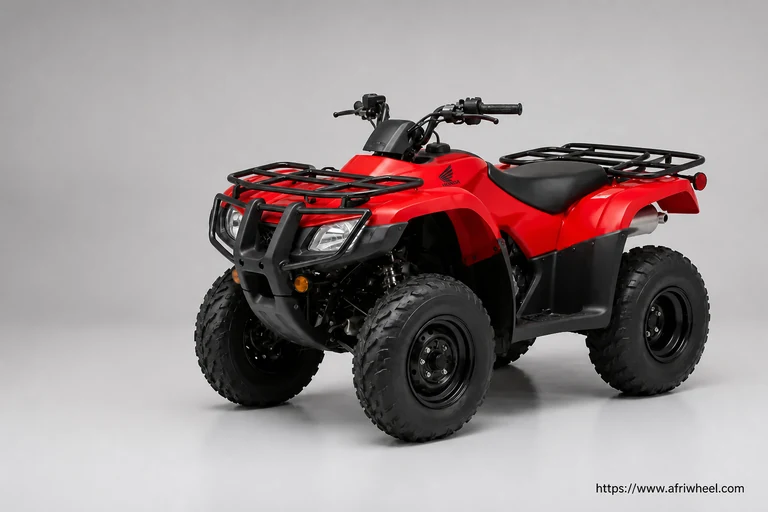
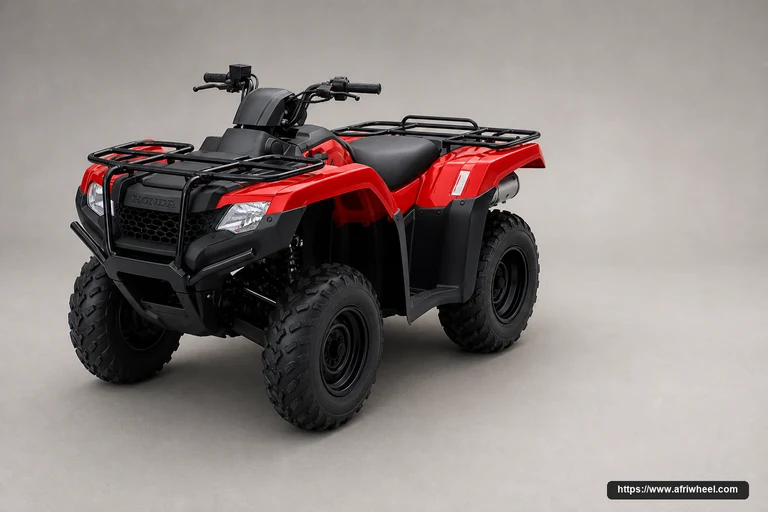
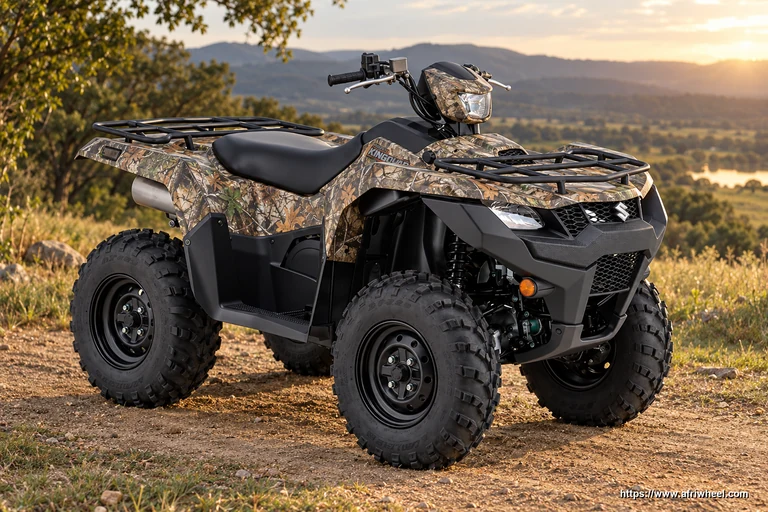
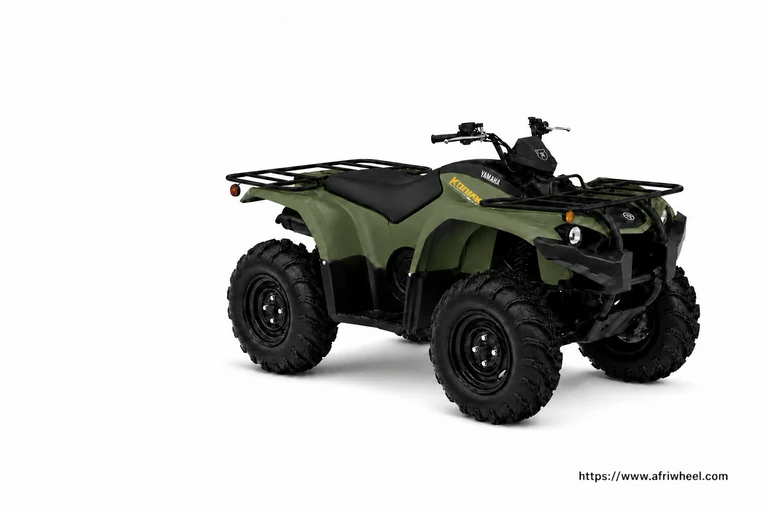
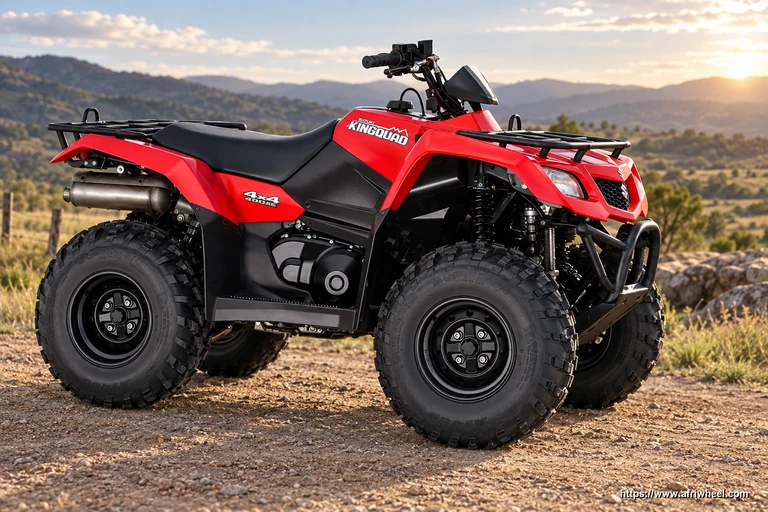
The 2025 South African listing gives the Kawasaki Brute Force 300 a specific buying context. This is the derivative a shopper will actually see on a written KMSA quotation, so the year, finish and price observation deserve to stay together. The Brute Force 300 is the compact utility ATV for buyers who need automatic high/low range operation and straightforward work capability. The family badge is useful for orientation, but the local listing is the reference for what is being discussed.
The useful numbers for this derivative are The 2026 page records 250 kg, a 12-litre tank, 155 mm clearance and an 845 mm seat.. They affect more than a comparison table: a lower seat can change confidence in a car park, while a larger tank or greater clearance may matter on an all-day route. The compact mass and automatic controls keep the learning curve approachable.
The best fit is property work and recreational trails where a smaller two-wheel-drive ATV is enough. The compromise is the 2x4 configuration and single-seat layout are less versatile than a four-wheel-drive utility ATV. A buyer should therefore make a short checklist before the test ride: route, rider and passenger needs, luggage or rack use, service access, tyre availability and the legal operating environment. Those questions prevent an attractive badge from masking a poor use-case match.
The 2025 Brute Force 300 listing is a distinct clearance observation. Timberline Green and the model year should remain visible in the written deal, along with the condition of any long-stored stock. The local page describes the useful 271 cc single, automatic range and 227 kg towing capacity, but the buyer should confirm the supplied equipment and current safety notices. Compare this row with the 2026 2x4 card only after checking the exact drive, mass and price; a shared family name does not make every specification interchangeable.
Ownership is also about consumables. Ask which tyre sizes and brake parts are currently available in the buyer's area, how long routine service parts normally take, and whether Kawasaki diagnostic equipment is available at the intended workshop. A compact ATV may need different storage and transport arrangements from a road motorcycle. A heavy sport-tourer may need more space and stronger tie-downs. These practical costs belong beside the advertised amount when a shortlist is made.
Use the published economy or tank figure as a planning aid rather than a promise of daily distance. Speed, terrain, temperature, payload, tyre pressure and riding style all alter consumption. Ask whether a stated number is a factory test, a local observation or a dealer estimate. The buyer should budget fuel and maintenance from the exact derivative on the order, particularly when a clearance model and a current model share a family name.
Use the first inspection to check controls, mirrors, levers, switches and the condition of all visible fasteners. On a motorcycle, ask to feel the clutch take-up and brake lever travel at walking pace; on an ATV or utility vehicle, confirm the selector, reverse control and parking procedure. A calm demonstration exposes awkward reach or unfamiliar controls before the machine is committed to a workday. Record any promised accessory and ask whether it is fitted before collection or supplied separately.
Its hardware is described as Dual 180 mm front discs, a single 180 mm rear disc and preload-adjustable wishbone/swingarm suspension are listed.. Look at how the brake specification, suspension travel and tyres fit the intended surface rather than rewarding the longest list of features. The 2026 listing records an observed R114,995 price and local colour options including Orange or Grayish Blue.
A Kawasaki Brute Force 300 marked 2025 should be read as a complete local offer, not as an anonymous example from an overseas brochure. The KMSA card identifies this year and its available finish, while the wider family explains the motorcycle's role. The Brute Force 300 is the compact utility ATV for buyers who need automatic high/low range operation and straightforward work capability. That distinction becomes especially useful when older clearance stock remains alongside a newer card.
Before signing, match the product name, year, colour, VIN or stock identifier and included equipment. Ask the dealer to state which figures are factory specifications, which are current local observations and which accessories are optional. For an ATV or utility model, request the load, towing, passenger and road-use instructions in writing. For a motorcycle, check the riding position, controls, mirrors and braking feel in a controlled demonstration.
AfriWheel keeps this derivative page useful by separating what Kawasaki publishes from what still needs a dealer answer. The Brute Force 300 can be a sensible shortlist when its strengths line up with the rider's priorities, but a price card alone cannot establish total ownership cost. Compare insurance, service intervals, consumables and resale expectations for the exact 2025 machine, then revisit the written offer before paying a deposit.
For this exact 2025 row, keep the locally advertised model name and finish together with the quotation. The buyer should not rely on a family badge, an old photograph or a different export-market equipment list when deciding what will be delivered. A short written check before payment protects both sides and makes future servicing, insurance and resale questions easier to answer.