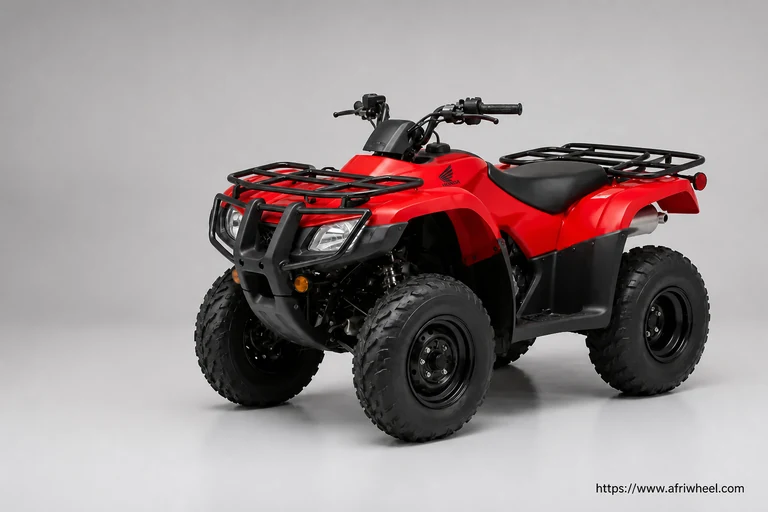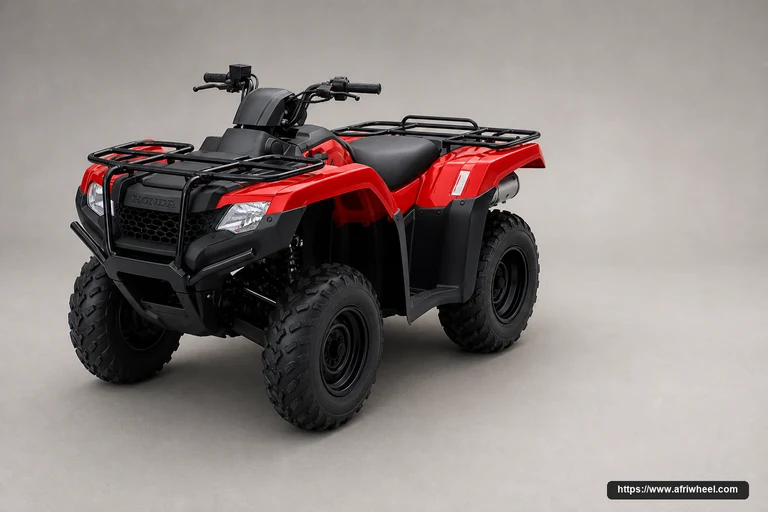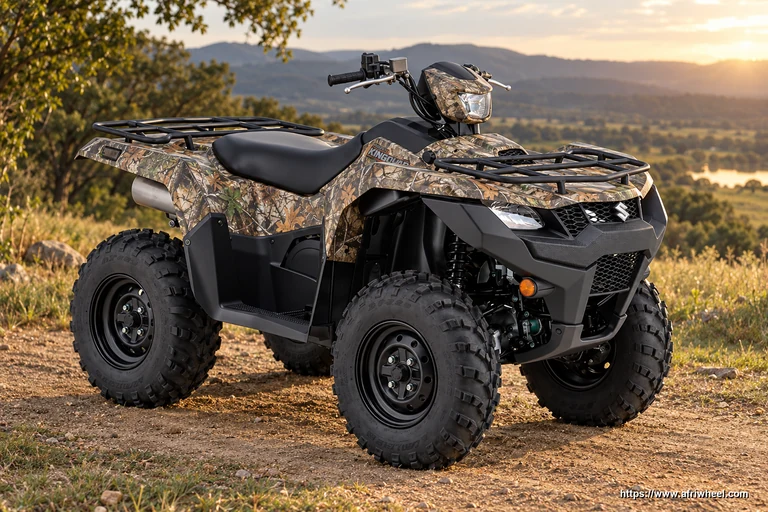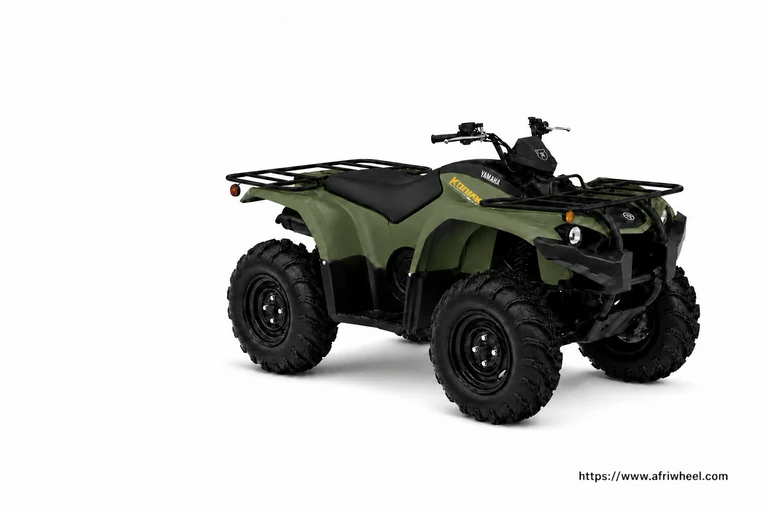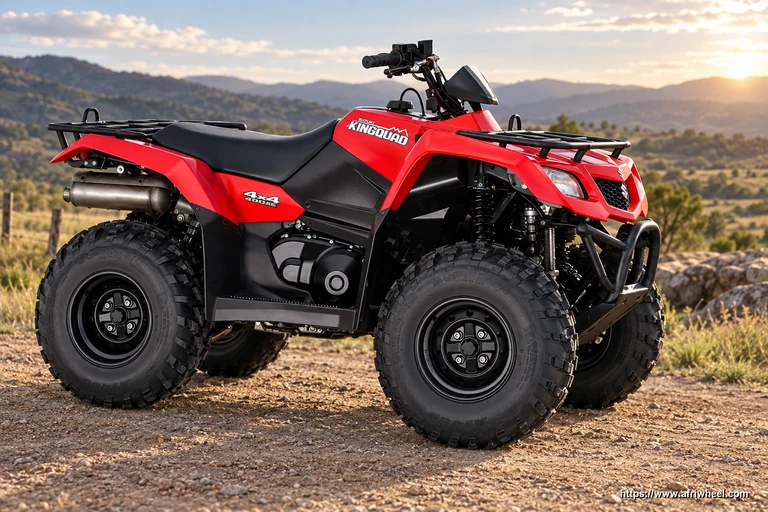
Brute Force 300 2×4 – 2026 buyer overview
The practical question around the 2026 Kawasaki Brute Force 300 is whether its local equipment fits the rider's actual route. The Brute Force 300 is the compact utility ATV for buyers who need automatic high/low range operation and straightforward work capability. AfriWheel treats the model-year listing as a decision record: it keeps the price observation, colour description and published mechanical facts visible without filling a missing item from a neighbouring generation.
Kawasaki's published mechanical description starts with The local page lists a 271 cc liquid-cooled four-stroke single-cylinder SOHC engine.. The listed output is Kawasaki publishes 16 kW and 22 Nm.. For the rider, that means considering throttle response, heat, gearing and the amount of reserve needed when overtaking or carrying a load. A dual-range high/low CVT with reverse supplies the drive.
The recorded amount for this 2026 listing is R114995 where published. That is a dated observation, not an on-road promise. Registration, delivery, finance, insurance, accessories, preparation and any clearance conditions belong on the written quote. If the dealer offers an older unit, ask what warranty starts on the day of handover and whether the stock has been stored or registered.
The 2026 Brute Force 300 2x4 is the compact current utility entry. Its automatic high/low CVT and reverse simplify operation, while the two-wheel-drive layout explains the lower price and narrower use case. Confirm the colour, rack equipment and operating instructions at handover. A property rider should plan around the 250 kg listed mass, 155 mm clearance and 845 mm seat, then ask about the exact towing and load limits. The model makes sense when its simplicity matches the terrain; four-wheel drive should be chosen when traction is a regular requirement.
A dealer conversation is stronger when the questions are written down. Confirm the exact year, local colour name, VIN or stock reference, supplied keys, manuals, warranty start and first service. Ask whether a displayed amount is a national recommendation, promotion, clearance number or dealer quote. Where the KMSA page shows a clearance price, check the expiry and the condition of stock. Keep the signed quote with the specification the test ride was based on.
Rider fit is worth treating as a hands-on measurement. Put both feet where the planned riding position allows, move the bars through full lock, check the reach to the rear brake or foot controls and imagine the machine loaded as intended. Tall adventure and utility models can feel effortless once moving yet demanding when stopped. A lower roadster can feel easy in town but still carry more performance than a new rider needs.
The final choice should survive a simple comparison table made from the buyer's own priorities: purchase amount, model year, seat or access height, engine response, braking, storage or cargo, service reach, consumables and legal use. This derivative may be the right answer when those columns fit, even if another Kawasaki has a higher headline specification. The value is in a machine that is usable every week, supported locally and described accurately on the paperwork.
The useful numbers for this derivative are The 2026 page records 250 kg, a 12-litre tank, 155 mm clearance and an 845 mm seat.. They affect more than a comparison table: a lower seat can change confidence in a car park, while a larger tank or greater clearance may matter on an all-day route. The compact mass and automatic controls keep the learning curve approachable.
The 2026 South African listing gives the Kawasaki Brute Force 300 a specific buying context. This is the derivative a shopper will actually see on a written KMSA quotation, so the year, finish and price observation deserve to stay together. The Brute Force 300 is the compact utility ATV for buyers who need automatic high/low range operation and straightforward work capability. The family badge is useful for orientation, but the local listing is the reference for what is being discussed.
The best fit is property work and recreational trails where a smaller two-wheel-drive ATV is enough. The compromise is the 2x4 configuration and single-seat layout are less versatile than a four-wheel-drive utility ATV. A buyer should therefore make a short checklist before the test ride: route, rider and passenger needs, luggage or rack use, service access, tyre availability and the legal operating environment. Those questions prevent an attractive badge from masking a poor use-case match.
Before signing, match the product name, year, colour, VIN or stock identifier and included equipment. Ask the dealer to state which figures are factory specifications, which are current local observations and which accessories are optional. For an ATV or utility model, request the load, towing, passenger and road-use instructions in writing. For a motorcycle, check the riding position, controls, mirrors and braking feel in a controlled demonstration.
For this exact 2026 row, keep the locally advertised model name and finish together with the quotation. The buyer should not rely on a family badge, an old photograph or a different export-market equipment list when deciding what will be delivered. A short written check before payment protects both sides and makes future servicing, insurance and resale questions easier to answer.